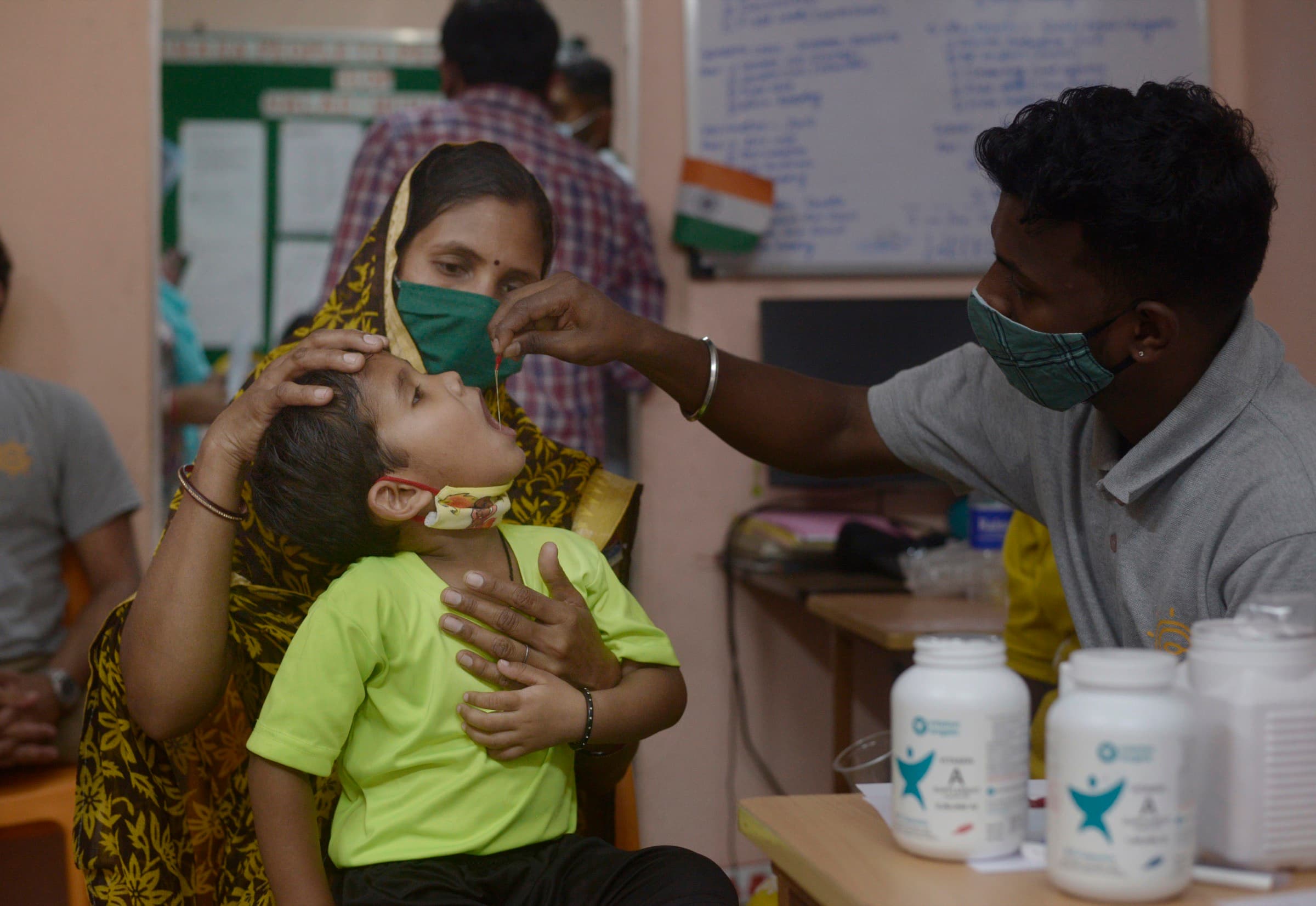
A routine screening visit. One of thousands.
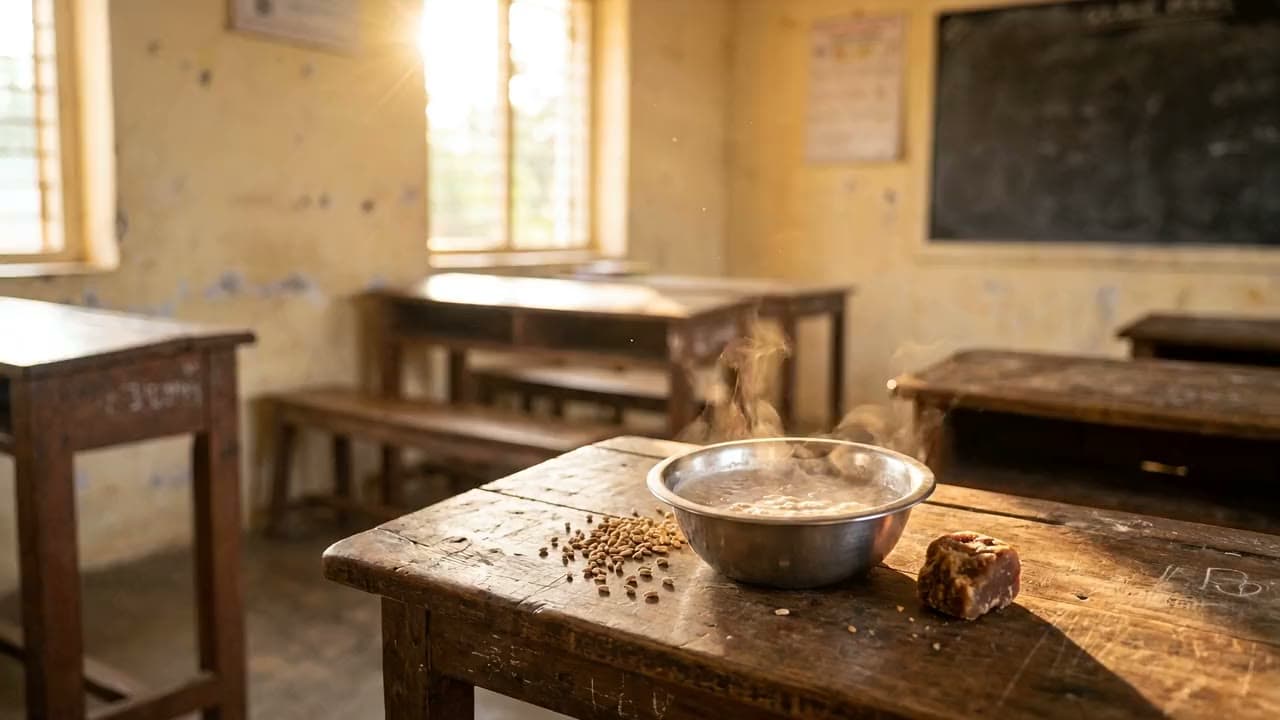
Fed, and still malnourished.
Dr Pankaj Jethwani began as a physician in a Mumbai government hospital. In his own words, eight out of ten patients he saw were malnourished but not starving: fed, but on food that filled a stomach without giving a growing body what it needed. That is the gap TBR was built to close.
Most of these children are fed. The food just does not carry what a growing body needs. About one in nine children under two gets what nutritionists call a minimum acceptable diet. A child can eat every morning and still fall short on protein, iron, B12, vitamin D and zinc.
Source: NFHS-5, 2019 to 2021.
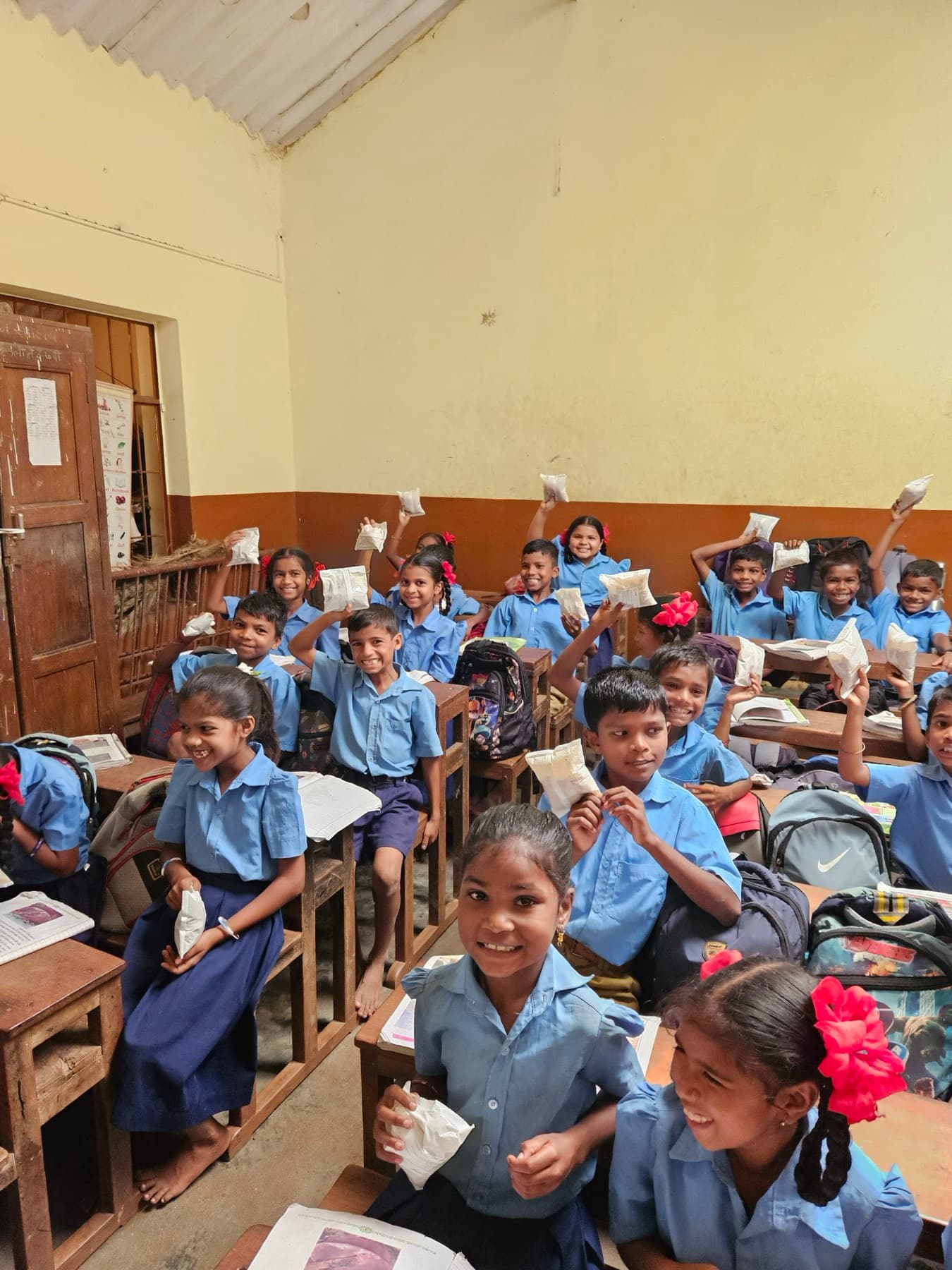
A classroom session, packets held up.
What changes for a child
One child, told properly.
Pari is five, from a Katkari tribal family in Vangani. Her mother works the fields. Her father does day labour. Neither had much schooling, or much information about nutrition.
She was an active kid who ate her dal and rice most days, just never very much of it. At a routine weigh-in at her anganwadi, she came in at 11.1 kilograms. Underweight for her age.
12.5kg
She gained 1.4 kilograms in six months. Her mother learned which foods do the work, and the anganwadi kept a bowl for her every morning.
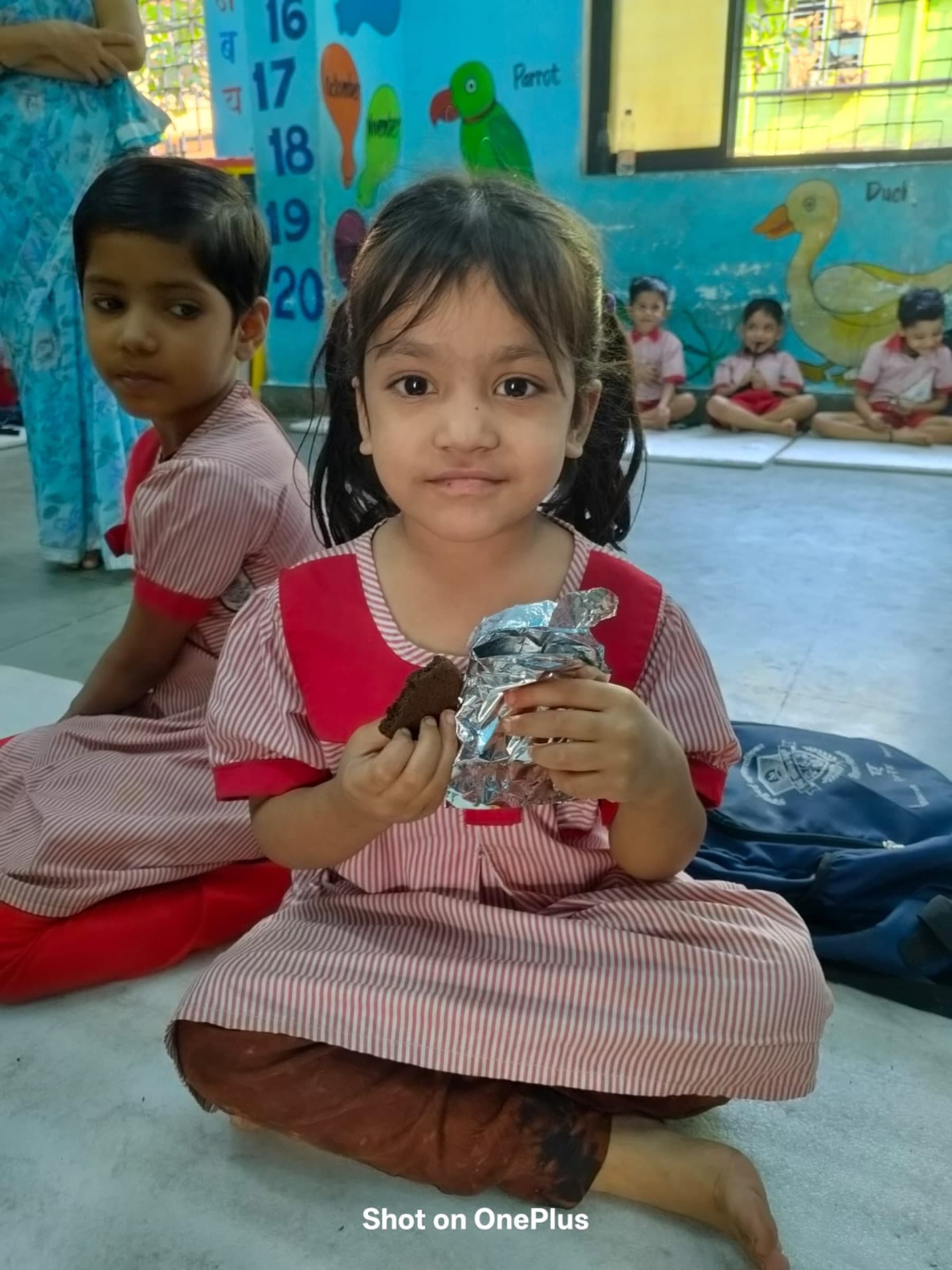
The counselling did not call for expensive food. A TBR worker sat with her mother and talked through four or five small meals a day: thick dal, eggs, chickpeas, sesame, vegetables. Cheap protein, eaten often, alongside regular weighing, immunisation, deworming and vitamins at the anganwadi. Six months later she weighed 12.5 kilograms. Her appetite came back, and her mother, who now knew what to cook, said she felt proud.
The people
Three people who were there.
The training gave me better clarity about my role and reinvigorated my sense of responsibility towards children, mothers, and adolescents.
I am proud to be part of developing healthy mothers, healthy children, and a healthy nation.
Sunanda
Anganwadi teacher, sixteen years of service, two of them with TBR
My daughter has gained weight and has become more lively. She loves the new food at school, and now my younger son wants it too.
A mother in the programme
Name changed in the source report
A malnourished child performs poorly in school and is more likely to fall ill. There can't be a more compelling and impactful problem to solve.
Dr Anshul Vagrecha
Paediatrician and donor
Photographs from classrooms, weigh-ins and mothers' sessions, then a full plate and the TBR mark.
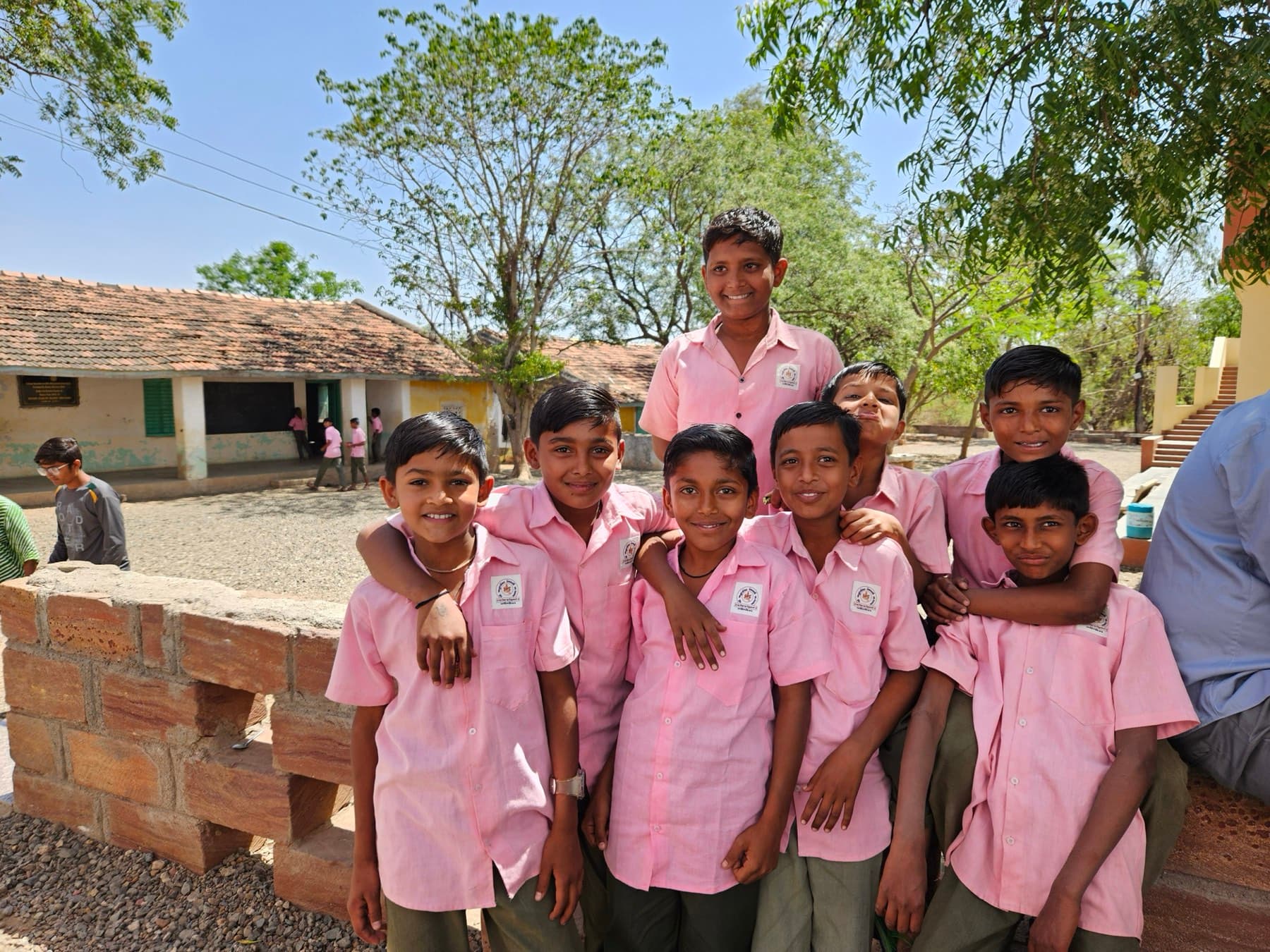
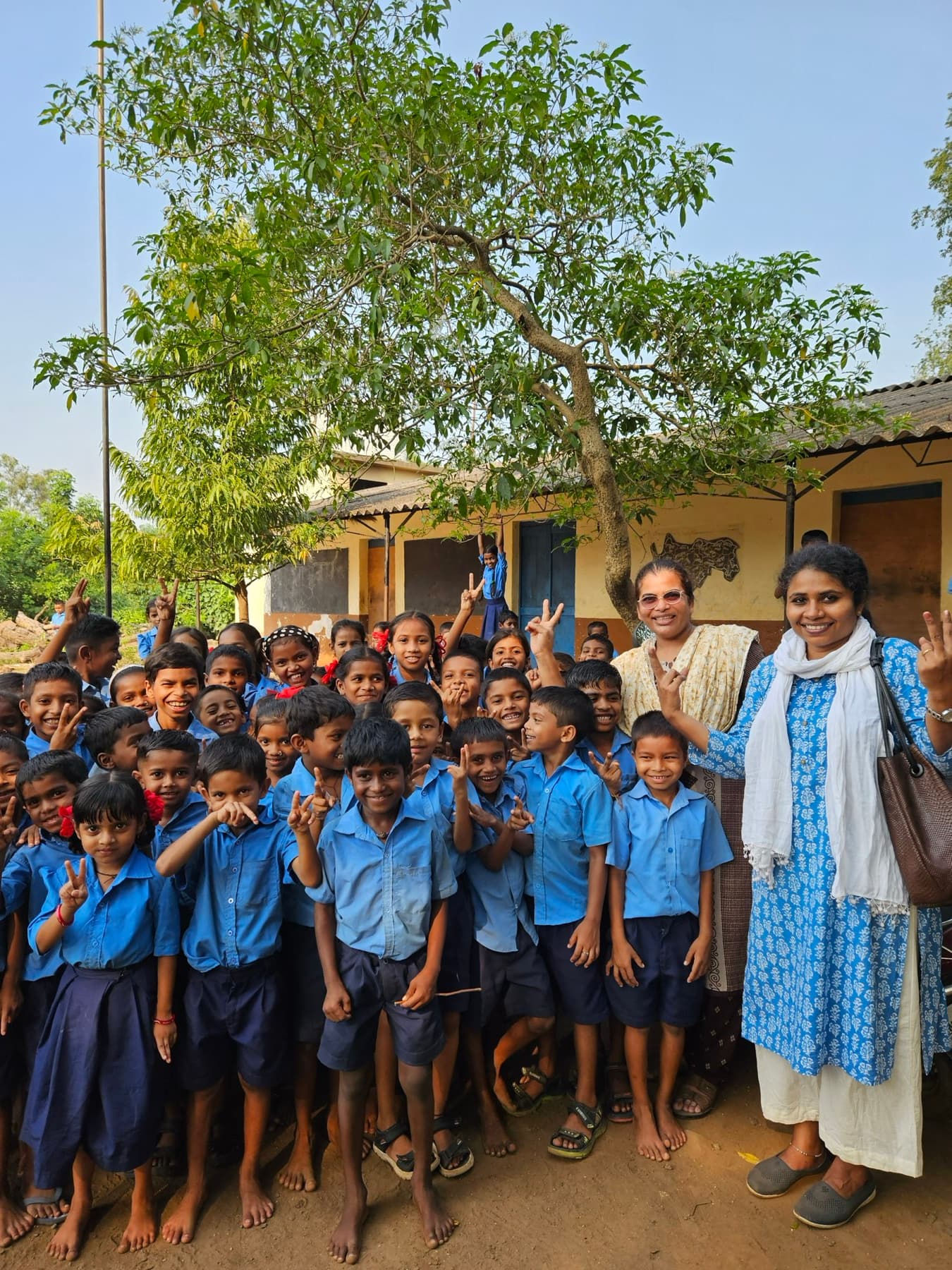
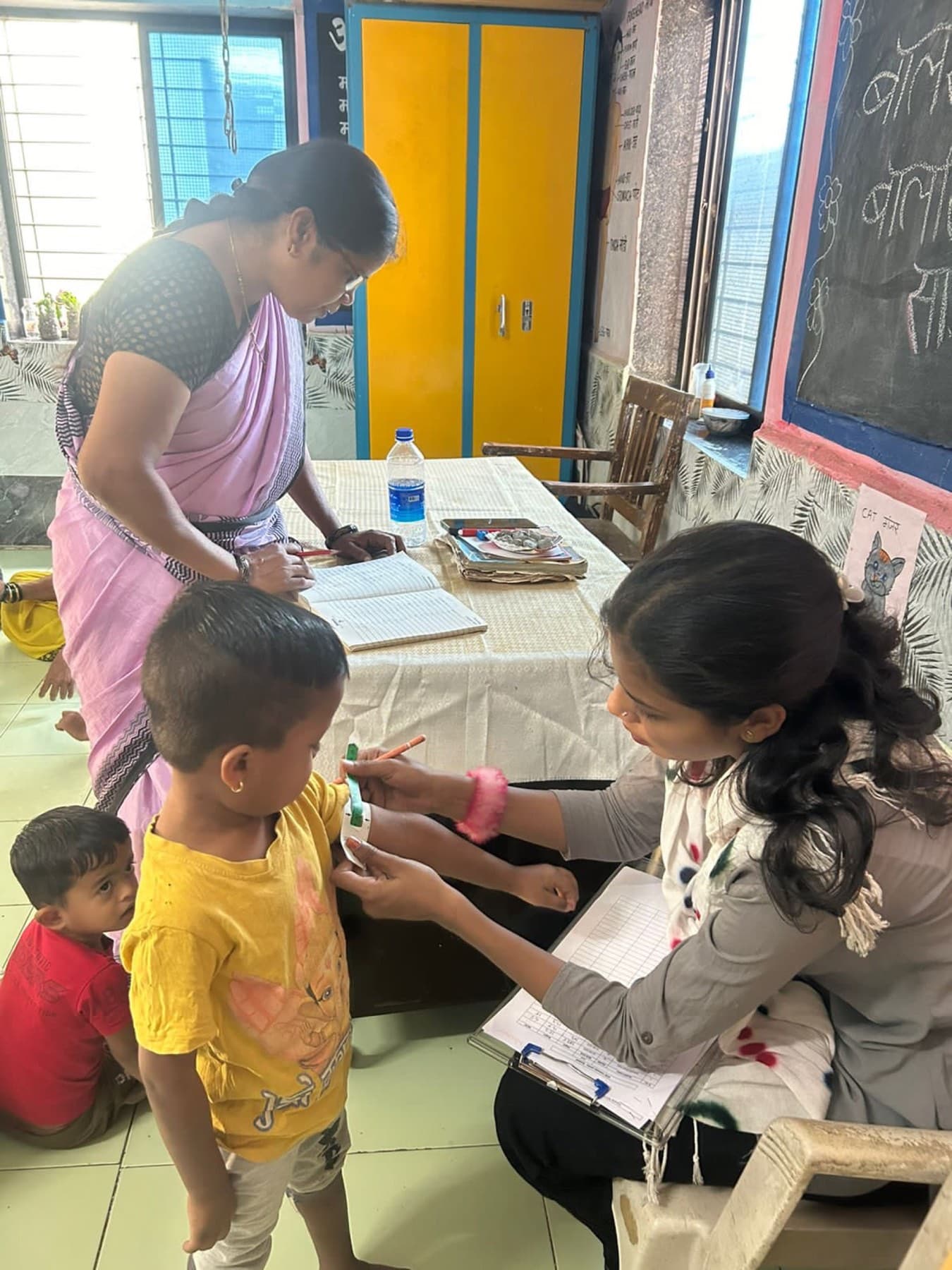
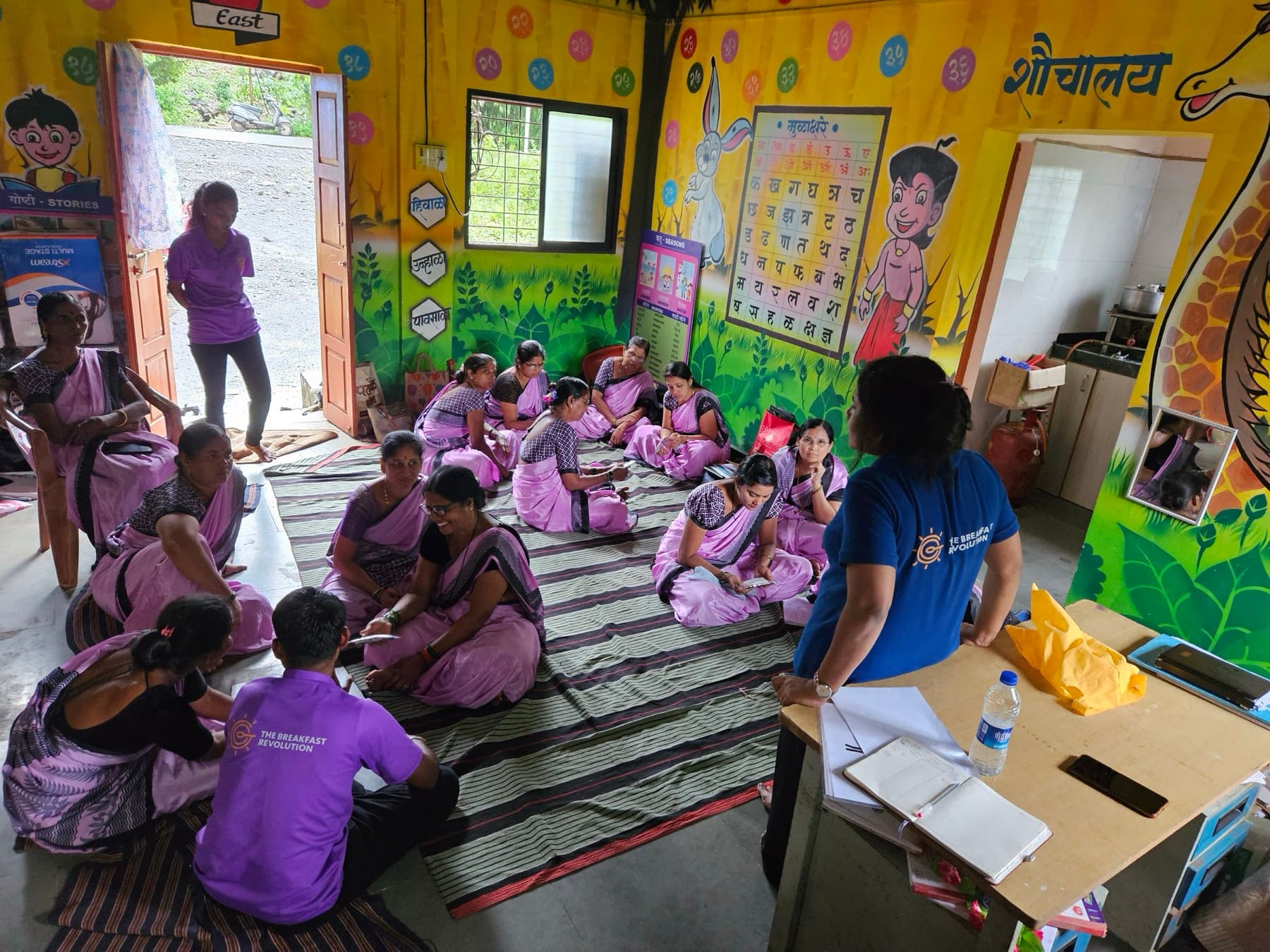
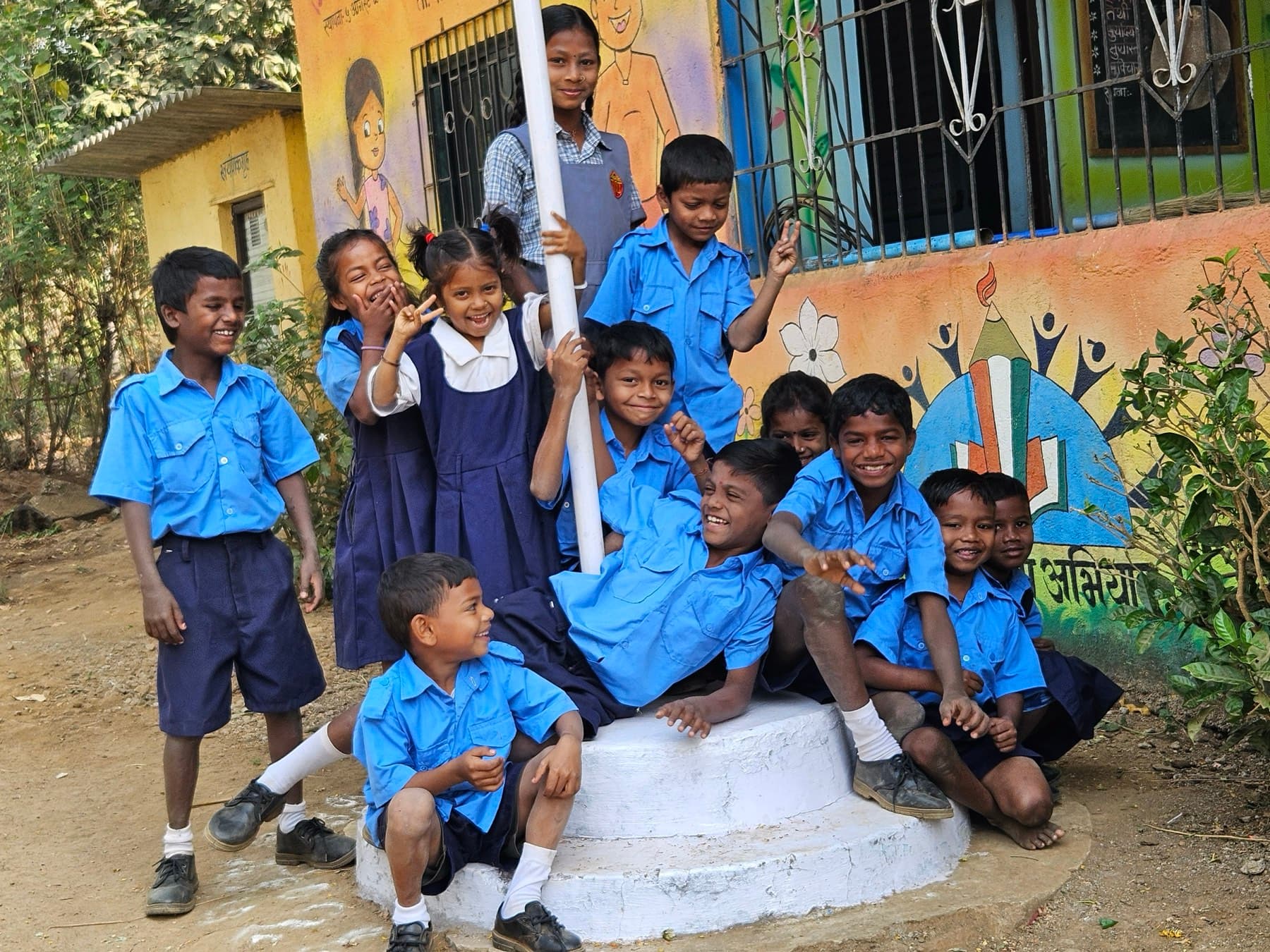
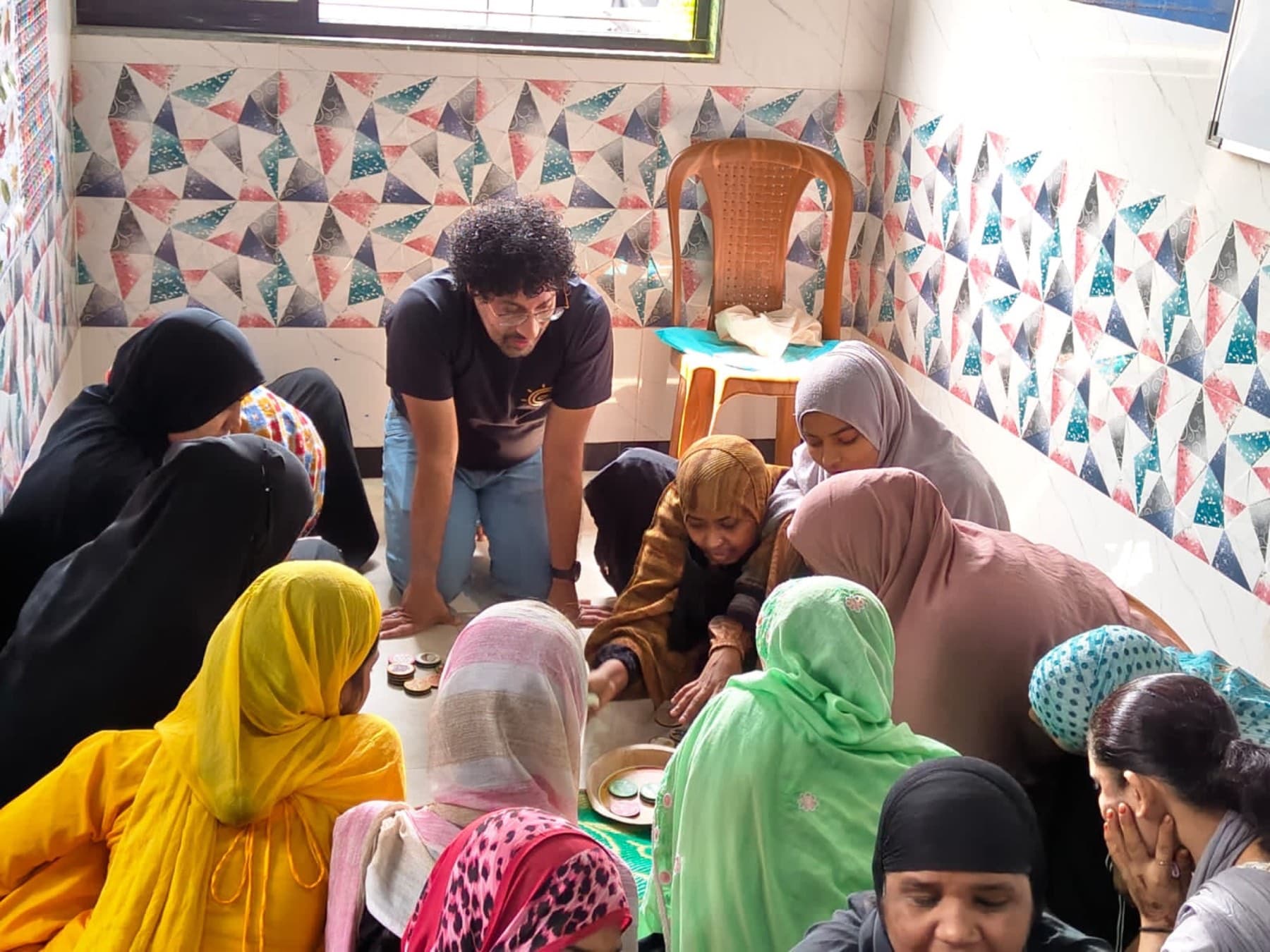
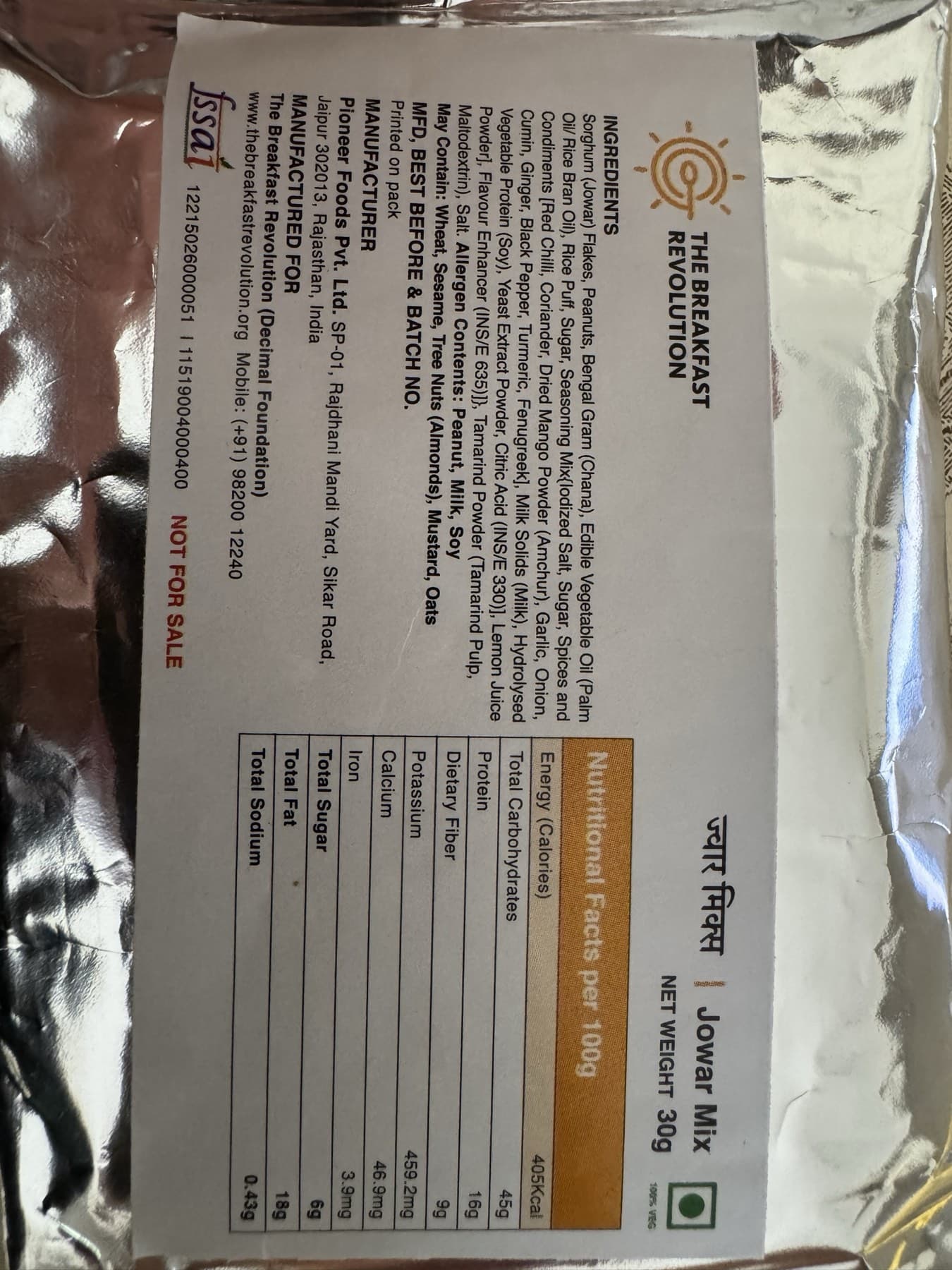
UGIPL × TBR
Every photograph ends at the same place: a full plate.
Why the recipes are changing
The gap between the label and the truth.
In a Mumbai municipal school, a bar was being handed out and marketed as high-protein. Tested, it held two to three grams. That gap, between the label and the truth, is where this work started.
The goal became breakfasts where the numbers hold up: complete protein, all nine essential amino acids over the line, and cheap enough to serve every day in schools that sometimes have no kitchen and no running water. So UGIPL built a recipe engine for The Breakfast Revolution. TBR's team uses it to design the new recipes, and the engine checks the numbers on every one.
Ojas, on this site, is a lighter public version of that engine. You can try it.
How complete protein works
How one grain and one pulse complete each other.
Millets run low on lysine. Pulses run low on the sulfur amino acids. Pick a pair and watch the two halves lock into all nine essential amino acids.
The complement
One grain, one pulse, one complete protein.
Bajra alone
The keyMillets and grains run low on lysine. Bajra lysine 32 vs 48 needed.
Chana dal alone
The lockPulses run low on the sulfur amino acids. Chana dal met + cys 20 vs 23 needed.
Together: Bajra + Chana dal
The upright bars are the blend's coverage. Where one partner was short, the other carries the bar over the WHO 2007 line.
All nine essential amino acids clear the line. Chana dal filled Bajra's lysine, and Bajra filled Chana dal's met + cys.
Bajra and Chana dal together make a complete protein. All nine essential amino acids clear the WHO 2007 floor.
Equal illustrative portions. Each is scored as amino-acid coverage against the WHO/FAO/UNU 2007 pattern (mg per g protein), the chemical score for complementation. The recipe engine still runs the full optimiser to cost and build a real batch.
How this started
How UGIPL and The Breakfast Revolution came together.
2014
2014
The Breakfast Revolution is founded.
2015
2015
Empanelled with Tata Memorial Hospital's paediatric cancer programme.
2020
2020
100,000 children fed.
2026
2026
40 million+ meals served.
18 April
18 April
First meeting between UGIPL and The Breakfast Revolution.
Late April to June
Late April to June
Field research: the water, the kitchens, the gap between labels and what was actually inside.
June
June
A family kitchen test.
Recipes cooked and tasted at home before anyone trusted them on paper.
1 July
1 July
The engine works.
The first complete recipe clears every check: protein, amino acids, cost.
Feed a child every school morning for a year.
It costs ₹2,600 on The Breakfast Revolution's own donate page. Gifts are tax-deductible in India and the US.